
Pressure Reducing Valve Manufacturer | Installation Guide & Expert Tips
A Pressure Reducing Valve (PRV) should be installed correctly to achieve stable downstream pressure, equipment protection, and reliability in the long-term. Improper location may cause a fluctuating pressure, water hammer, damage to the valves or an inefficient performance of the system.
This is a guide on the proper location of a pressure reducing valve, be it on residential plumbing, commercial system or industrial steam lines.
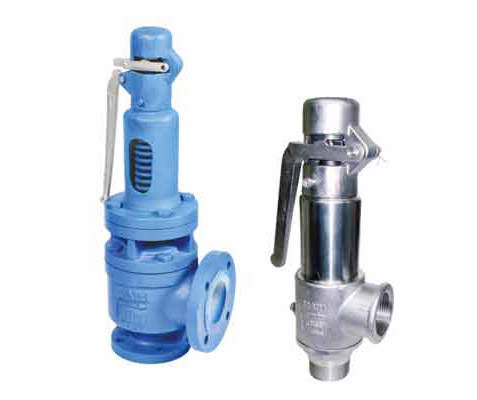
What Is the Intention of PRV?
High inlet pressure is automatically brought down to a safe and constant outlet pressure by a pressure reducing valve.
It is typically used when:
- There is excessive water pressure in the municipality.
- Steam line pressure should be regulated.
- Machines need a certain pressure of operation.
- The priorities are on system safety and pipe longevity.
- Prior to installing a PRV, one needs to know system layout.
General Rule for PRV Installation
There should be a pressure reducing valve installed:
- At the main supply line, prior to the equipment or branch system that it is to defend.
This guarantees the regulation of pressure to all downstream components.
Residential Water Systems
Installation Suggestion Location
The PRV is supposed to be installed in houses:
Directly below the main shut-off valve.
Close to the entrance of the building of the municipal water line.
Prior to water diversion into the household distribution.
Why This Location?
The installation at the main supply will guarantee:
Everyout fixtures are under pressure control
Appliances are protected
Elevated pressure across the house.
Additional Tips
Install a place where it can be easily serviced.
Stored in places that are likely to flood.
A pressure gauge should be installed in the neighborhood.
Industrial & Commercial Waters Systems
On commercial buildings or factories, it will be installed based on the complexity of the system.
Option 1: Main Line Installation
Best for
- Whole building pressure control.
- Great municipality pressure supply.
Installed
- After main isolation valve
- In front of distribution manifolds.
Option 2: Zone-Based Installation
Used when
- Floors have varying requirements.
- Software-beautiful machines require special supervision.
Installed
- In the branch lines to serve individual areas.
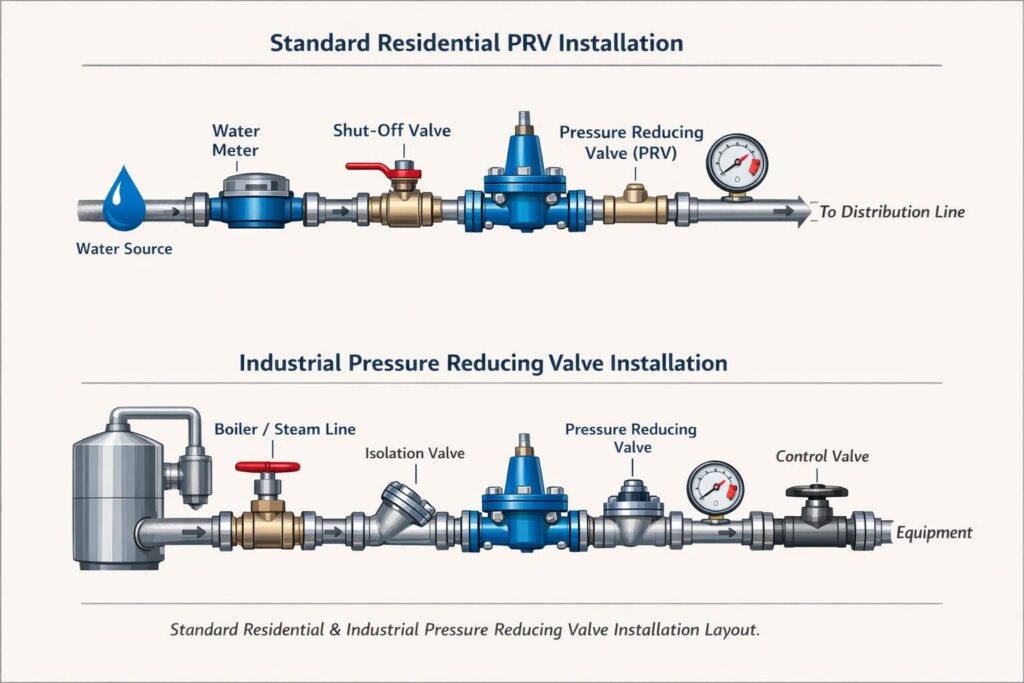
Steam System Installation
Steam applications must have PRVs put in locations that are critically sensitive to temperature and pressure.
Recommended Placement
- On the steam supply line
- Below the level of isolation valve.
- Before the equipment (heat exchangers, process units, boilers).
Important Considerations
- Before the PRV, install with a strainer.
- Install gauges of pressure before and after valve.
- Make sure there is good drainage and condensate management.
- Poor installation within steam system may lead to unstable pressure and wear of valves.
PRV Installation Components
An appropriate PRV installation usually consists of:
- Isolation valve before PRV
- Strainer to avoid damages of debris.
- Pressure gauge upstream
- Pressure gauge downstream
- Bypass line (recommended only with industry use in mind)
- This arrangement guarantees flexibility of operation and easier maintenance.
Avoid These Common Installation Mistakes
❌ After branch distribution installation.
❌ Installing close to pumps without regard to surge.
❌ No strainer before valve
❌ Mounting a vertical store that is not built to be mounted vertically.
❌ No pressure monitoring
Poor installation may lower the duration of the valves and interrupt the pressure control.
Horizontal VS Vertical Installation
The majority of pressure reducing valves are made to be installed horizontally in the pipeline.
Always:
- Check specification of check issuers.
- Make sure that the direction of the flow is the same as the arrow on the valve body.
- Stress on pipes on valve connections should be avoided.
Misplaced orientation may have an influence on performance.
Distance From Equipment
A PRV must not be located too near:
- Pumps
- Elbows
- Sharp variations in pipe diameter.
Have sufficient straight pipe length upstream and downstream of the valve to stabilize flow.
Before or After a Water Heater, Should You Install a PRV?
For residential systems:
- Install PRV in front of water heater.
- This shields heater and eliminates pressure spikes.
An expansion tank can also be needed in the case of closed systems.
How To Determine whether your PRV is fitted properly
Indication of proper installation:
✔ Stable downstream pressure
✔ No excessive noise
✔ No vibration
✔ Even water flow
✔ No pressure spikes
In case of fluctuations or hammering, the installation location ought to be checked.
In the case of Multiple PRVs Needed
Large systems may need
- Primary PRV on main line
- Equipment zone secondary PRVs.
- Backup PRV for redundancy
This is common in:
- Industrial plants
- Hospitals
- High-rise buildings
- Process industries
Professional vs DIY Installation
Experienced plumbers can do residential installation.
The installation of the industrial or steam PRV is to be always:
- Engineered
- Pressure tested
- Installation made by trained personnel.
Resistance to proper installation may bring about expensive downtime.
The main supply line should have a pressure reducing valve installed on it, above the system or equipment it is designed to safeguard. The location depends on the type of application required, whether residential, commercial, or industrial.
Proper Installation guarantees:
- Stable downstream pressure
- Longer equipment life
- Improved safety
- Reduced maintenance costs
It is necessary to have proper location and good choice of valves to ensure reliable pressure control.