
- Product Name: Pressure Reducing Valve (PRV)
- Type: Direct Acting / Pilot Operated (as required)
- Uses: Water, Air, Steam, Gas
- Operation: Spring-loaded diaphragm / Pilot-controlled
A Complete Guide to Pressure Reducing Valves for Water Supply Systems
Residential, commercial, and industrial water supply systems need to have a constant and harmless water pressure to operate effectively. In case the pressure of the incoming water is excessively high, it may break pipes, fixtures, and other equipment. It is here that a Pressure Reducing Valve Manufacturer (PRV) will be necessary for the Control Pressure.
This ultimate guide elaborates on what pressure-reducing valves are, the working principle of these valves, their advantages, types, installation procedures, uses, and also some maintenance tips.
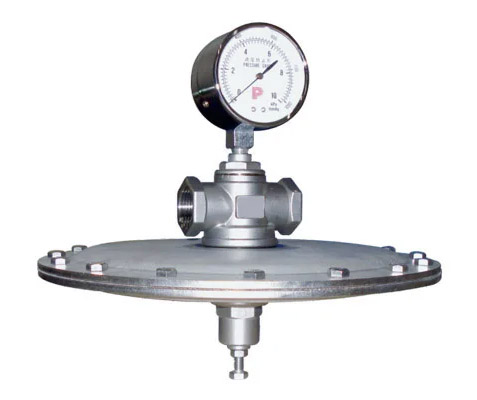
What Is a Pressure Reducing Valve?
A Pressure Reducing Valve (PRV) has a hydraulically actuated, automatic control valve that outputs the high inlet pressure to a pre-set and constant outlet pressure. It maintains the pressure at the downstream, and the pressure at the upstream changes.
PRVs are used in water supply systems to ensure a safe level of pressure and avoid failures of the system overloaded with force.
What are the uses of pressure reducing valves in the supply of water?
Water distribution networks can get intermittent pressure because of:
- High elevation differences
- Pumping system variations
- The change in municipal supply pressure.
- Peak time increased demand.
Excessive pressure leads to:
- Leaks and pipe bursts
- Plumbing fixtures that are highly worn out.
- Wastage of water
- Vibrations and noise in pipelines.
- Early breakdown of geysers, RO plant, and appliances.
A PRV is used to improve the pressure stabilization and control in the whole system.
How Pressure Reducing Valve work?
A PRV operates on the principle of controlling pressure with the help of a spring-loaded diaphragm.
Working Process:
- Water enters high-pressure flows through the valve.
- Downstream pressure is perceived in the diaphragm.
- To limit or open the flow, it has a valve cone that adjusts automatically.
- The outlet pressure is kept constant at a set value.
Regardless of the rise or fall in the inlet pressure, the PRV keeps on regulating its internal mechanism to provide a steady and safe downstream pressure.
Advantages of the Pressure Valves in the Water Supply System
1. Prevents Plumbing Damage
Pressure in the control can cause bursting of pipes, joints, and appliances.
2. Enhances Water Efficiency
Limits the flow of water, which is not necessary, thus saving on water.
3. Conserves Water Using Appliances.
Stops overpressure, which damages geysers, RO systems, dishwashers, motors, and washing machines.
4. Reduces Noise in Pipelines
Prevents water hammers and vibrations of high-pressure flow.
5. Increases System Life
Every element of it, including pipes, valves, and so on, is more durable with controlled pressure.
6. Saves Energy
Decreased pressure implies a reduced amount of energy used in pumping systems.
Pressure Ratings
| Inlet Pressure Range | 1 to 25 bar (custom options up to 40 bar) |
| Outlet Pressure Range | 0.5 to 16 bar adjustable |
| Pressure Class | PN10 PN16 PN25 (depends on model) |
| Maximum Differential Pressure | Up to 20 bar |
| Test Pressure (Hydrostatic) | Body – 1.5 × rated pressure / Seat – 1.1 × rated pressure |
Flow & Size Range
| Valve Sizes | 15 mm (½”) to 300 mm (12″) |
| Flow Capacity (Cv/Kv) | Varies by model 1–2000 Cv |
| Connection Type | Threaded (BSP/NPT) – ½” to 2″ Flanged – ANSI B16.5/EN1092 PN10/PN16/PN25 Socket Weld / Butt Weld (optional) |
Types of Pressure Reducing Valves
1. Direct-Acting Pressure-Reducing Valve
- Compact, simple design
- Applied in domestic and minor commercial applications.
- Fast reaction to pressure variation.
2. Pilot Operated Pressure Reducing Valve
- High accuracy
- Applied in large industrial plants and water distribution.
- Suitable for high flow rates
3. Adjustable Pressure Relieving Valve
- Outlet pressure can be manually adjusted.
- Perfect in places where pressure requirements vary.
4. Fixed Pressure Reducing Valve
- Pre-set pressure value
- Applied in household meters and city pipes.
In Which Systems are PRVs Applied in Water Supply?
- Pressure Reducing Valves are applied in:
- Residential buildings
- Water distribution systems.
- Water supply lines in industries.
- Commercial complexes and hotels.
- water filtration systems and RO plants.
- Firefighting water lines
- Irrigation networks
- High-rise structures have variable pressure areas.
Temperature Ratings
Working Temperature
- Water: 0°C to 80°C
- Hot Water / Steam: Up to 180°C (for steam PRVs)
- Air/Gas: -10°C to 80°C
Temperature-dependent materials: EPDM for hot water, NBR for cold water/air
How to Select the Right Pressure Reducing Valve?
1. The pressure to be pushed into the pipe and the pressure to be forced out of the pipe.
Know the amount of pressure in your system.
2. Pipe size and flow rate
Select a valve that can sustain your water requirement.
3. Material of construction
Brass for domestic use
Industrial systems based on stainless steel or cast iron.
4. Temperature resistance
Make sure that the valve fits into your operating temperature.
5. Type of water
In case of hard water or corrosive water, select corrosion-resistant materials.
6. Application
PRVs are needed in different environments.
Installation Support of Pressure Reducing Valves
- Make sure that it is placed on a horizontal position to ensure stability.
- Install a filter or strainer before the PRV to prevent clogging.
- Ensure service access space.
- Proper sealing should be used to avoid leakages.
- Installation Check the pressure gauge after installation to verify proper settings.
- Large or complex systems should be professionally installed.
Maintenance Tips for Long Valve Life
- Regularly clean the inner strainer.
- Test the diaphragm of hardness or wear.
- Make sure there is no debris that is trapped inside.
- Periodically test the outlet pressure.
- Only need to replace worn-out parts.
- Check water hammer or vibrations.
Regular maintenance is a guarantee of accuracy in the pressure control over years.
Pressure Reducing Valve is another component that is necessary in the modern water supply system. Not only does it protect the pipelines and appliances, but it also makes the water usage more efficient, the power expenses lower, and the plumbing system lasts longer. Regardless of the residential, commercial, or industrial use, proper selection of PRV and proper maintenance are essential in ensuring safe and reliable water distribution.